Specialized Perinatal Mental Health Training Marks a New Step Forward for Maternal Care in Benguela
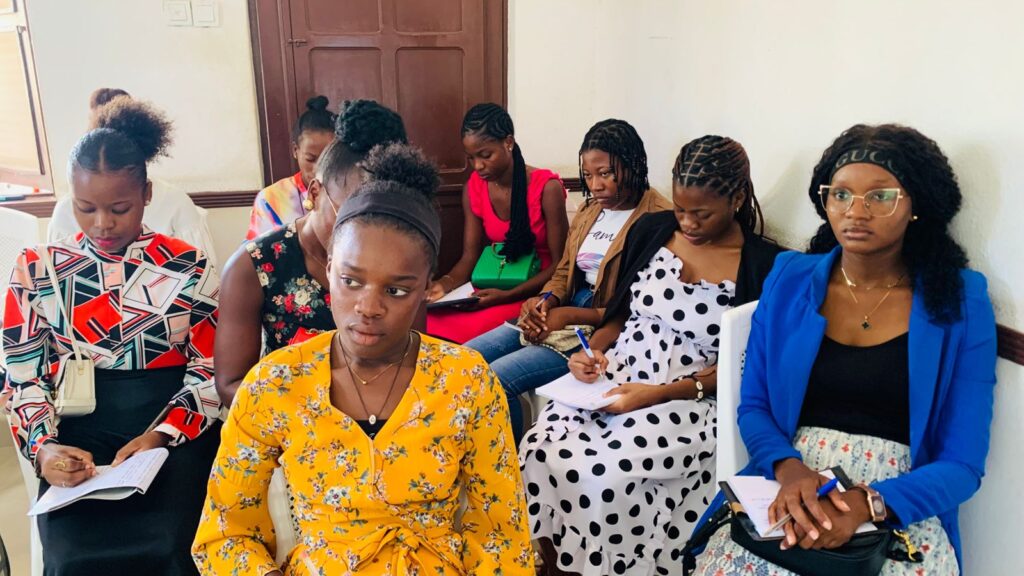
Madrid, 26 November 2025—On 24 and 25 November, a training programme in Perinatal Mental Health was conducted in the province of Benguela, delivered by UNED – the National University of Distance Education (Spain), within the framework of the project ‘Perinatal Mental Health in Hospitals of Angola’. Following its implementation in Ghana, the initiative was replicated in 2024 in the province of Huila (Angola), and is now entering a second phase focused on strengthening the capacities of healthcare professionals and community stakeholders in Benguela
The project pursues a key objective: to improve the detection, diagnosis, and support of women experiencing mental health disorders during pregnancy and the postpartum period, thereby contributing to the reduction of maternal and infant mortality in the country.
Benguela is one of Angola’s leading provinces in demographic and economic terms. In the area of maternal and child health, the region has faced significant challenges: neonatal and child mortality rates in some parts of the province are among the highest in the country, underscoring the urgent need to strengthen perinatal health services and community-based care. The implementation of this training in the province therefore responds to the need to reinforce the capacity of the health and community systems to address a serious public health issue. issue
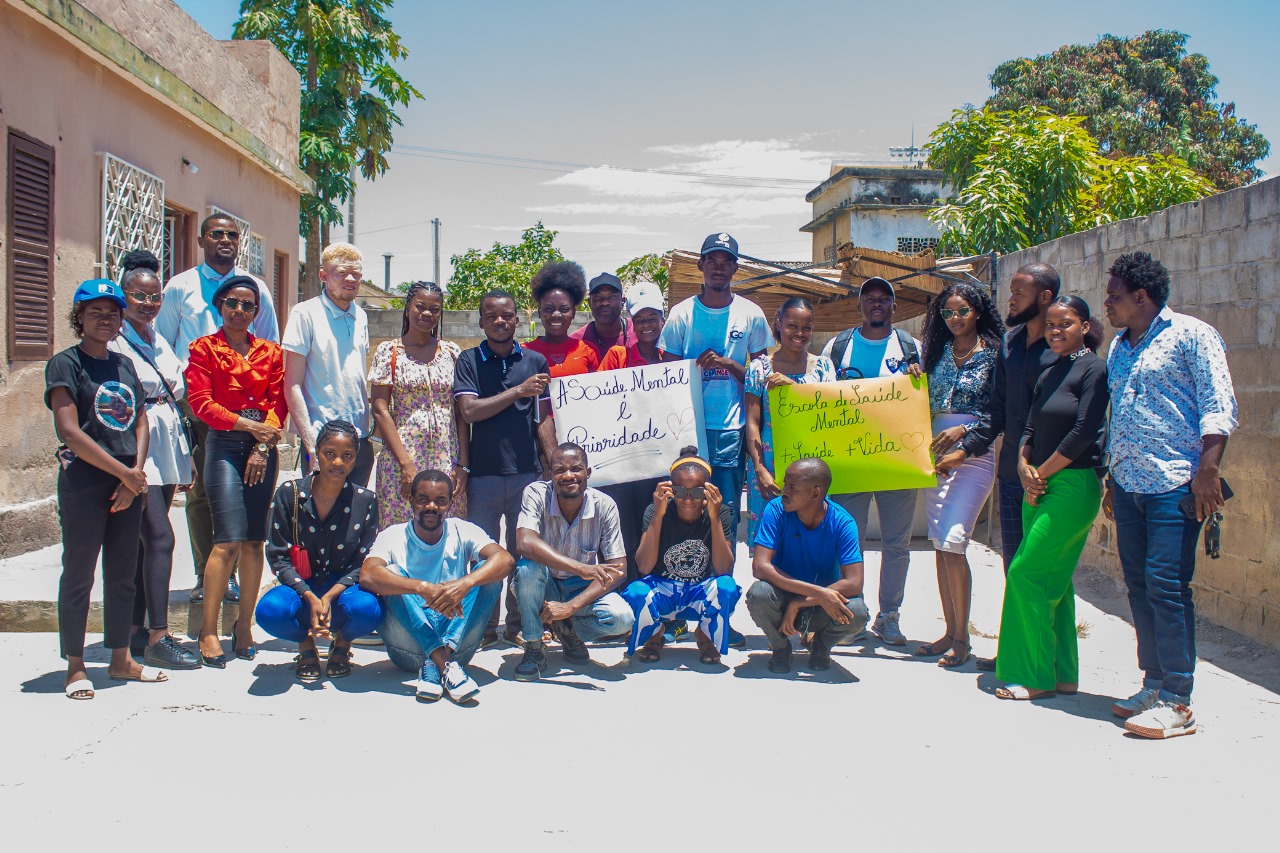
For this phase in Benguela, the Women for Africa Foundation is supported by the CHANCE project (Strategies to Improve the Knowledge and Attitudes of Young Angolans on Sexual and Reproductive Health), coordinated by the Tropical Medicine Unit of the Vall d’Hebron University Hospital Research Institute (VHIR) and funded by the Delegation of the European Union in Angola. This initiative also benefits from the collaboration of the Community Interaction Organization (OIC), the Youth Association for Solidarity (AJS), and the national Youth Support Centre (CAJ).
The training programme, delivered entirely online and following the UNED methodology, is aimed at a diverse group of more than 50 Angolan participants, including nurses, midwives, community health workers, representatives of civil society organizations, and provincial focal points for mental health and for sexual and reproductive health, among other professionals involved in maternal healthcare
Throughout the course, participants addressed key topics such as perinatal depression, adolescent pregnancy, mother–infant attachment, puerperal psychosis, and other disorders affecting mental health during the perinatal period. The programme provides practical, evidence-based tools to strengthen both professional and community support for pregnant and postpartum women in situations of vulnerability.
The ‘Perinatal Mental Health in Hospitals of Angola’ project aims to strengthen maternal and child healthcare and to promote sustainable community support systems, advancing the integration of perinatal mental health as an essential component of Angola’s public health agenda.