I+DeAlgas Project: Algae Farming Installation Begins in the Marchica Lagoon
Madrid, April 13, 2026 – As part of the I+DeAlgas project “Mujeres por el desarrollo sostenible de la laguna Marchica”, two key agreements have been formalized for its implementation. On the one hand, a land transfer agreement was signed between the Agencia Nacional para el Desarrollo de la Acuicultura (ANDA) and the women’s cooperative Al Mostakbal, concerning the delivery of the material required for the installation in the Marchica Lagoon. On the other hand, an agreement was concluded with the Ministry of Agriculture and Fisheries for the use of 16 hectares designated for seaweed cultivation.
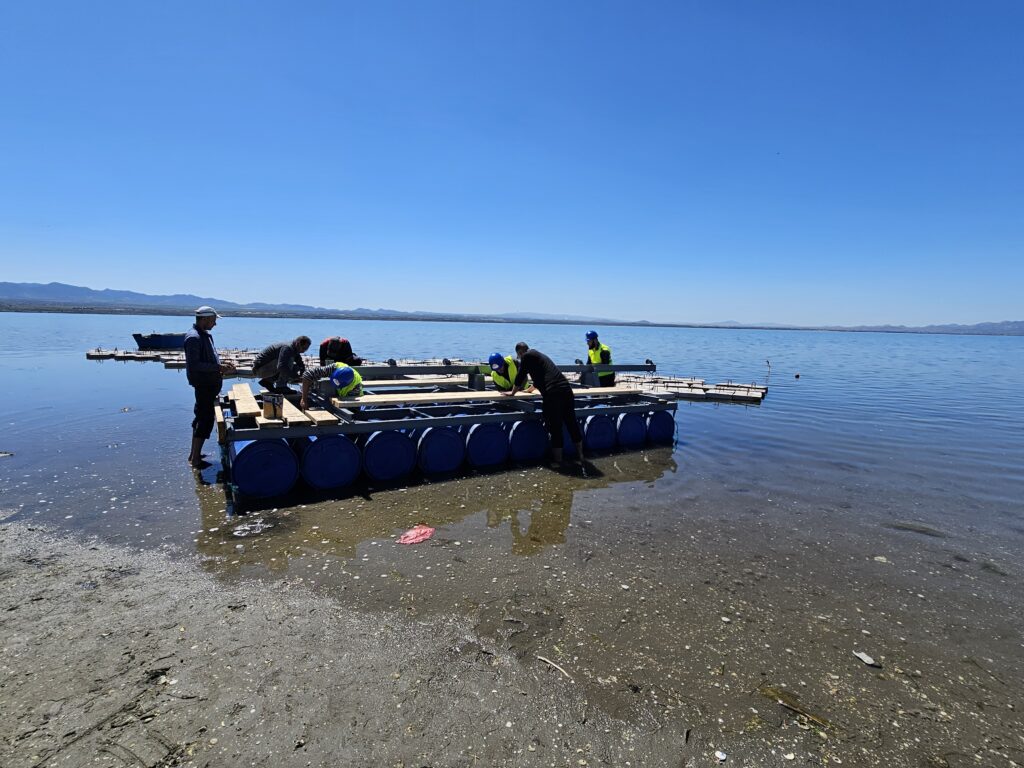
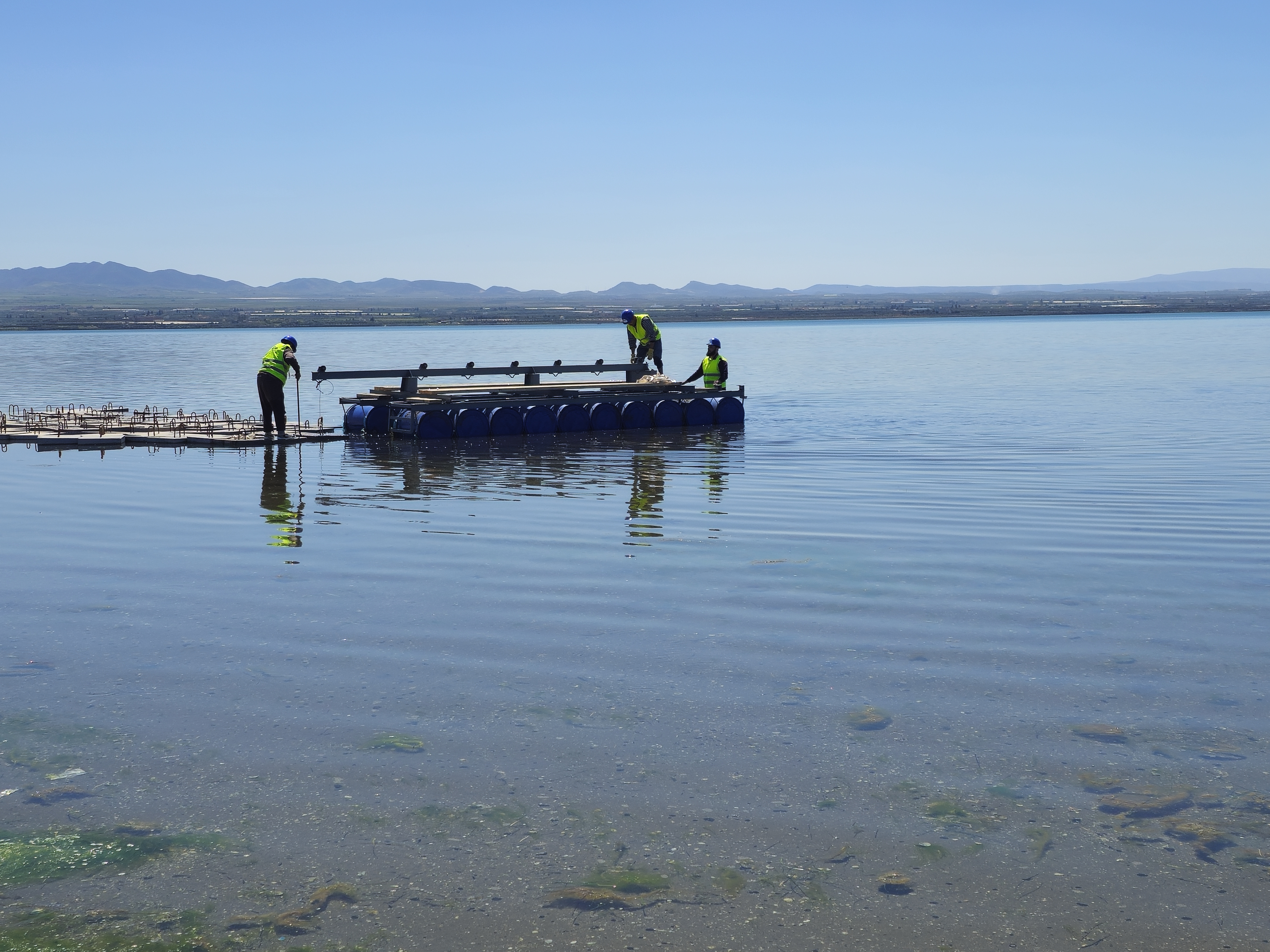
The concession, intended for aquaculture, covers a total area of 16 hectares, organized into 16 production units to optimize management and yield. The cultivation system adopted is horizontal in design, based on anchored and floating structures that promote water flow and oxygenation, a technique widely used internationally in macroalgae farming due to its efficiency and low environmental impact.
Gracilaria gracilis: a species of high economic and environmental value
The species selected for cultivation is Gracilaria gracilis, a red seaweed recognized for its ease of cultivation, its ability to adapt to variable environmental conditions, and its high economic potential. Used mainly in the production of agar-agar — a gelling agent widely applied in the food, pharmaceutical, and cosmetic industries — this species is an ideal option within an approach to the sustainable management of coastal resources.
Installation underway: the first 4 hectares to be completed by the end of April
On November 4, 2025, the material required for the installation of the 16 hectares, provided by ANDA, was received. Following all the preparatory work, the progressive installation of the plots in the Marchica Lagoon has begun. Work is currently advancing on the demarcation and preparation of the first 4 hectares, with the aim of enabling the women of the cooperative to begin cultivation as soon as possible.
The completion of this first phase is scheduled before the end of April 2026, which will make it possible to begin the first seaweed production cycle. The remaining 12 hectares will be completed in July 2026. This phased roadmap allows for efficient process management and ensures optimal technical conditions for the start of production.
One hectare for university education and research
Of the 16 hectares allocated, one will be specifically set aside for training and research activities. This plot will benefit both undergraduate and postgraduate students from the Nador Multidisciplinary Faculty (FPN) and the women of the Al Mostakbal cooperative, who have previously received training as part of the theoretical algae farming programme developed by the project.
This academic dimension reinforces the innovative nature of the project and contributes to the generation of local knowledge on macroalgae cultivation techniques in Mediterranean lagoon environments, an area of growing scientific and economic interest globally.
A model for women’s economic empowerment through aquaculture.
I+DeAlgas is a project led by the Universidad de Las Palmas de Gran Canaria (ULPGC) and the Fundación Mujeres por África (MxA), with funding from Cooperación Española. The association Femmes pour l’Afrique (FxA) acts as the main implementing partner on the ground in Morocco.
Its purpose is to economically empower the Al Mostakbal women’s cooperative in Nador by providing specialized and continuous support at every stage of the production and commercial process for the seaweed Gracilaria gracilis. The project promotes women’s economic empowerment through aquaculture and innovation, bringing together sustainable development, technology, and gender equality.
It is a model of sustainable, inclusive, and replicable development, with strong potential for expansion to other coastal regions of the African continent, where women-led community aquaculture can become a key driver of economic and social transformation.
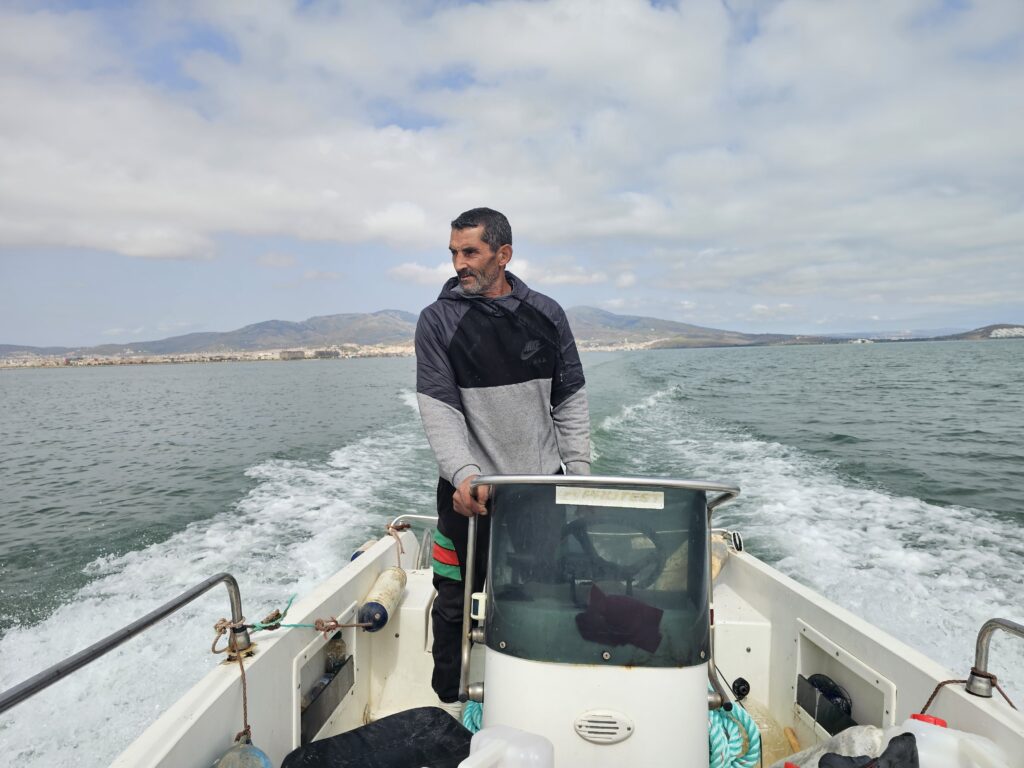
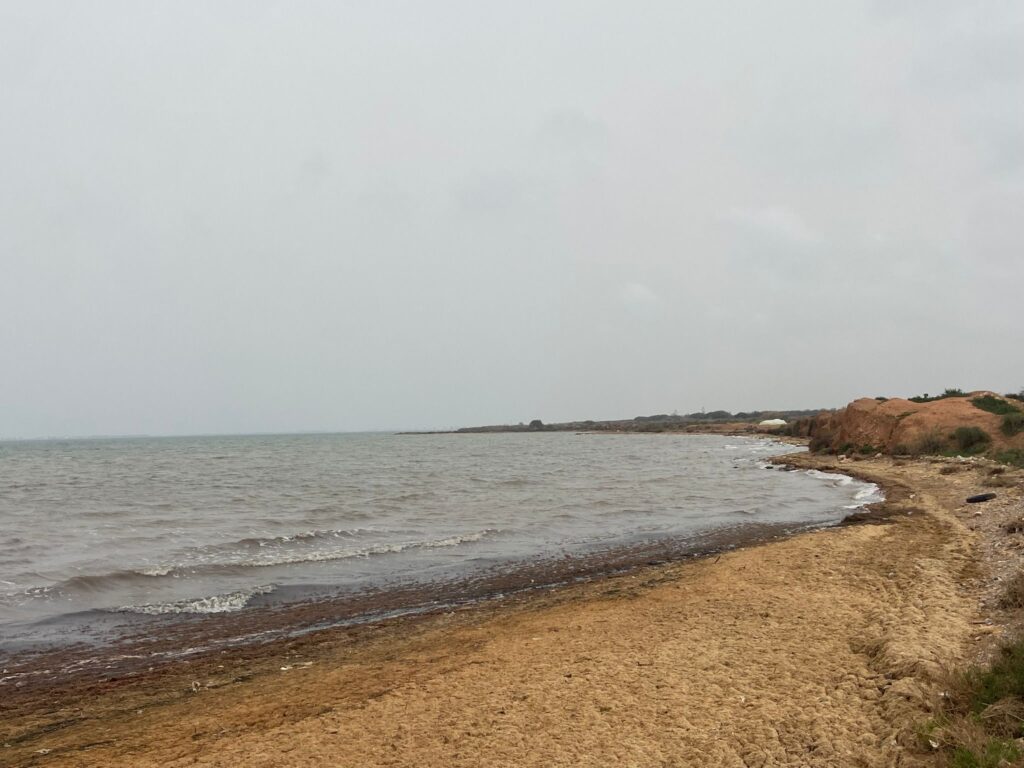
Some photos of the installation: